Evaluating the Stationery Branding 3D Mockup for Professional Identity Presentation
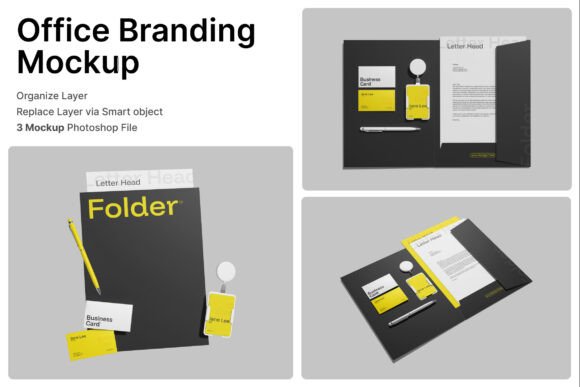
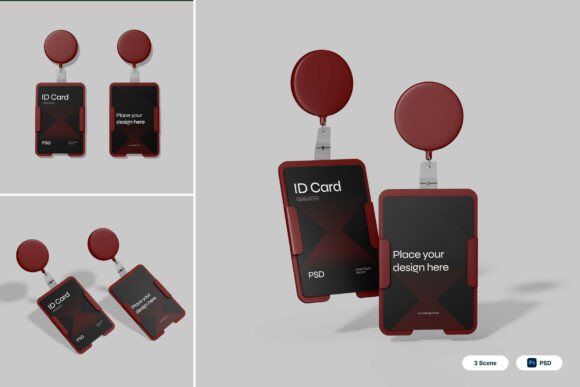
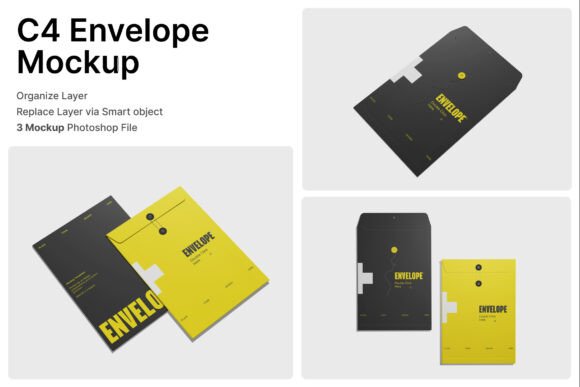
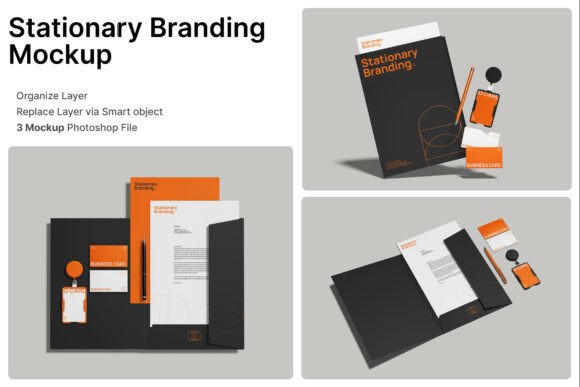
Presenting a corporate identity system requires more than just displaying flat logo files or isolated color palettes. Clients and stakeholders need to visualize how branding elements interact physically within a professional environment. The Stationery Branding 3D Mockup addresses this specific need by providing a coordinated set of realistic office materials arranged in cohesive scenes. Unlike generic templates that feature disjointed items, this resource focuses on the synergy between business cards, folders, ID cards, letterheads, envelopes, and general office stationery. For designers and agencies, the value lies in its ability to transform abstract brand guidelines into tangible, polished visuals that communicate professionalism and attention to detail.
This mockup package is designed specifically for high-stakes presentations where visual consistency matters. Whether you are a freelance designer pitching to a startup, a marketing agency refreshing a corporate client’s look, or an internal brand manager seeking approval for new collateral, the realism of these 3D renders helps bridge the gap between concept and execution. The inclusion of three distinct PSD files allows for varied presentation angles without requiring extensive 3D modeling skills, making it a practical tool for professionals who need reliable results under tight deadlines.
Technical Specifications and Workflow Efficiency
The technical foundation of any mockup determines its actual utility in a production workflow. This Stationery Branding 3D Mockup delivers high-resolution output at 4000 x 3000 pixels with a density of 300 DPI. This specification is significant because it ensures the final renders remain crisp when used across different mediums, from digital portfolios and social media carousels to large-format print proposals. Many lower-quality mockups fail when scaled up for presentation decks, but this resolution provides sufficient headroom for cropping and zooming without pixelation.
Usability centers around smart object layers, which function as the primary interface for customization. The process is standardized for Adobe Photoshop users: double-clicking the designated layer opens a new document window where the design is placed, saved, and automatically updated in the main composition. This non-destructive editing approach preserves the original lighting, shadows, and textures of the 3D scene while allowing for unlimited design iterations. The inclusion of a PDF help file reduces the learning curve, ensuring that even those less familiar with complex PSD structures can navigate the layers efficiently.
It is important to note a standard limitation inherent to this type of asset: stock imagery inside the mockup is not included. Users must supply their own branded content. While this requires additional preparation, it also ensures that the final presentation is entirely unique to the specific project rather than relying on placeholder graphics that might inadvertently appear in other designers' work. This distinction maintains the integrity of your portfolio and prevents visual duplication across client presentations.
Strategic Value in Corporate Identity Systems
A successful identity system relies on repetition and coordination. When evaluating the Stationery Branding 3D Mockup, its strongest attribute is the pre-arranged composition of multiple touchpoints. Seeing a business card next to a matching folder and ID card in the same lighting environment reinforces the idea of a unified brand experience. This is particularly valuable for office branding projects where physical collateral plays a central role in employee onboarding and client interactions.
For startups and entrepreneurs, this level of visualization serves as a validation tool. Before committing to expensive print runs, seeing the stationery suite rendered in 3D allows for a critical assessment of contrast, legibility, and material compatibility. A logo that looks vibrant on screen might appear muddy against a textured paper background; this mockup helps identify such issues early in the design phase. Marketing agencies can leverage these realistic scenes to justify premium pricing by demonstrating thoroughness. Instead of showing a client a flat vector file, presenting a photorealistic office desk setup implies a comprehensive service that considers real-world application.
The versatility of the three included PSD files supports different narrative needs. One angle might focus on the tactile quality of the business card and envelope for a print-centric pitch, while another could emphasize the organizational aspect of folders and ID cards for an HR or internal communications proposal. This flexibility prevents the presentation from feeling static and allows the designer to tailor the visual story to the specific concerns of the audience.
Practical Applications and Audience Fit
Determining whether this asset fits your current needs depends largely on your role and the nature of your projects. Graphic designers specializing in brand identity will find immediate value in the time savings. Creating custom 3D scenes from scratch requires specialized software and rendering time; using a pre-built, professionally lit template accelerates the delivery of client proofs. Freelancers operating solo benefit significantly from this efficiency, as it allows them to compete with larger studios in terms of presentation quality without the overhead of a dedicated 3D artist.
Educators and students in graphic design programs can use the Stationery Branding 3D Mockup as a teaching aid for understanding spatial relationships in branding. It demonstrates how 2D designs translate to 3D surfaces, highlighting the importance of safe zones, bleed areas, and material finishes. For serious hobbyists and creators building personal brands, the mockup offers a way to elevate portfolio pieces beyond standard digital displays, adding a layer of commercial viability to speculative work.
However, this resource may be less suitable for projects focused exclusively on digital products or web interfaces. If your branding deliverables do not include physical stationery, the investment in this specific mockup yields diminishing returns. Additionally, designers who prefer to build bespoke environments tailored to niche industries (e.g., industrial manufacturing or culinary arts) might find the generic office setting too broad. In such cases, the mockup serves better as a supplementary asset rather than the primary presentation vehicle.
Assessing Quality and Long-Term Usability
When integrating third-party assets into a professional toolkit, longevity is a key consideration. The Stationery Branding 3D Mockup avoids trendy filters or overly stylized color grading that can date a presentation quickly. The lighting is neutral and balanced, mimicking natural office illumination rather than dramatic studio setups. This neutrality ensures that the focus remains on the user's design work rather than the mockup itself, which is the hallmark of a high-quality presentation tool.
The layered structure appears robust based on the inclusion of smart objects and organized grouping. Well-organized PSDs are essential for long-term value; if layers are misnamed or rasterized unnecessarily, the file becomes frustrating to update over time. The presence of a dedicated help guide suggests the creator has considered user experience beyond the initial download. This attention to documentation often correlates with better overall file hygiene and reliability.
From a return-on-investment perspective, the ability to reuse these three scenes across multiple clients and projects amortizes the cost effectively. Unlike single-use templates, a coordinated stationery suite remains relevant as long as physical business materials exist. Even as digital communication dominates, the symbolic value of tangible stationery in establishing trust and authority persists, keeping this type of mockup perpetually useful for serious branding professionals.
Making an Informed Decision
Ultimately, the Stationery Branding 3D Mockup represents a functional solution for visualizing corporate identity materials. Its strengths lie in high resolution, realistic coordination of diverse stationery items, and a user-friendly smart object workflow. It excels in scenarios where conveying professionalism and systemic consistency is paramount, such as agency pitches, startup launches, and corporate rebrands.
Potential users should weigh their specific requirements against the asset's capabilities. If your workflow demands rapid, high-fidelity visualization of office stationery and you lack the resources for custom 3D rendering, this mockup fills that gap effectively. The exclusion of stock images is a minor logistical step rather than a flaw, ensuring your work remains authentic. By focusing on practical utility over novelty, this resource supports the rigorous demands of professional design practice, helping creators present their work with the polish and context necessary to secure buy-in and demonstrate expertise.