Evaluating Silver Metallic 3D Floral Digital Paper for Creative Projects
Silver Metallic 3D Floral Digital Paper represents a specific niche within the broader category of digital design assets, combining the elegance of metallic textures with the depth of three-dimensional rendering. For designers, crafters, and DIY enthusiasts, selecting the right background or texture is often a critical decision that influences the final quality of a project. This type of digital paper is distinct from standard flat patterns due to its simulated lighting effects and tactile appearance. Understanding the technical specifications, practical applications, and inherent limitations of this asset is essential for determining whether it aligns with specific creative goals.
Defining the Asset and Technical Specifications
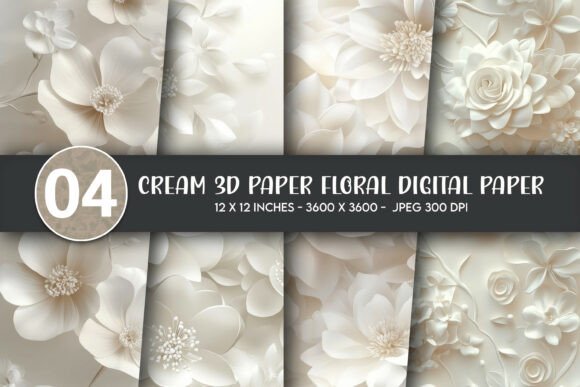
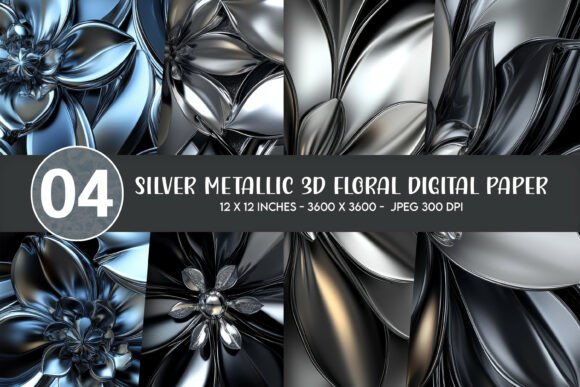
At its core, Silver Metallic 3D Floral Digital Paper is a high-resolution raster image designed to mimic the look of embossed or sculpted metal. Unlike vector graphics which are mathematically generated, this asset relies on pixel density to convey detail. The standard specification for this product includes a resolution of 300 DPI (dots per inch) and dimensions of 3600x3600 pixels. These metrics are significant because they establish the upper limit of print quality. At 300 DPI, a 3600-pixel square translates to a physical print size of 12x12 inches without interpolation.
The package typically includes four JPG files. The JPG format is widely compatible but utilizes lossy compression. While high-quality JPGs are sufficient for most photographic and textured designs, users should be aware that this format does not support transparency or layers. The "silver metallic" aspect is achieved through shading and highlighting rather than actual reflective ink. Consequently, the perception of metal is entirely dependent on the contrast and color accuracy of the output device. This distinction is vital for managing expectations regarding how the file will translate from screen to physical medium.
Primary Applications and Use Cases
The versatility of Silver Metallic 3D Floral Digital Paper makes it suitable for a wide array of projects, though it performs differently across various mediums. Evaluating the intended end-use is the first step in the selection process.
- Wall Decor and Art: This is perhaps the strongest use case. The 12x12 inch native size at full quality is ideal for gallery walls, framed prints, and canvas wraps. The 3D floral elements add visual interest that prevents large-format prints from appearing flat or sterile.
- Apparel and Textiles: For t-shirts, onesies, and tote bags, the digital paper serves as a sublimation or DTG (Direct-to-Garment) base. The metallic sheen can create a premium aesthetic on fabric, provided the printing method supports a wide color gamut.
- Paper Goods: Greeting cards, stickers, and posters benefit from the intricate floral details. The silver tone offers a neutral yet celebratory backdrop that pairs well with various typography styles without competing for attention.
- Home Accessories: Throw pillows and mugs utilize the pattern as a wrap-around design. The seamless nature of many digital papers ensures that patterns align correctly when applied to cylindrical or three-dimensional objects.
Benefits of Choosing Metallic 3D Textures
Selecting Silver Metallic 3D Floral Digital Paper over traditional flat patterns offers several tangible advantages for specific design objectives. The primary benefit is perceived value. Metallic textures inherently suggest luxury and sophistication, elevating simple designs without requiring complex additional layering. For creators selling digital or physical products, this can justify higher price points or attract a more discerning customer base.
Additionally, the 3D rendering provides built-in depth. In flat design, creating shadows and highlights requires manual effort and skill. With pre-rendered 3D floral paper, the lighting is baked into the image, saving time during the composition phase. This efficiency is particularly valuable for high-volume production environments like print-on-demand businesses where turnaround time impacts profitability. The neutral silver palette also offers superior flexibility compared to gold or colored metals, as it complements both cool and warm color schemes effectively.
Tradeoffs and Practical Considerations
Despite its advantages, this digital asset presents specific tradeoffs that must be weighed during evaluation. The most significant consideration is the reliance on simulated metallic effects. Standard CMYK printers cannot reproduce true metallic silver; they print gray gradients that simulate shine. If a project requires genuine reflectivity, this digital paper alone is insufficient and would need to be paired with specialty foiling or metallic ink processes.
File size and management also warrant attention. Four high-resolution JPG files at 3600x3600 pixels result in substantial data. Users with older hardware or limited storage may experience lag when manipulating these files in software like Photoshop or Illustrator. Furthermore, because the files are raster-based, scaling beyond the native 12x12 inch dimension will result in pixelation. Unlike vector florals, these images cannot be infinitely resized without quality degradation.
Color consistency is another variable. Silver tones are notoriously difficult to calibrate across different monitors and printers. A screen may display a bright, chrome-like silver, while a home printer might output a muddy gray. Professional color profiling or test prints are often necessary to ensure the metallic effect translates accurately to the final product.
Determining Fit: When to Choose Alternatives
While Silver Metallic 3D Floral Digital Paper is a robust solution for many scenarios, it is not universally optimal. Recognizing when to select an alternative saves resources and prevents project failure.
If the project involves large-scale signage or billboards exceeding 12x12 inches, vector-based patterns or ultra-high-resolution TIFF files (6000+ pixels) are superior choices. Raster JPGs will lose definition at billboard scale. Similarly, if the design requires frequent color changes or element isolation, a layered PSD or AI file is preferable to a flattened JPG. The inability to adjust individual flower colors or shadow intensity in a flattened image limits creative control.
For projects demanding true luxury packaging or high-end business cards, digital simulation may fall short. In these instances, specifying spot UV, foil stamping, or embossing with a Pantone metallic ink reference is more appropriate. Digital paper is best viewed as a foundational texture rather than a replacement for specialized print finishes. Additionally, users seeking minimalist or matte aesthetics may find the high-contrast 3D rendering too busy or aggressive, making flat vector illustrations or watercolor textures better alternatives.
Making the Final Selection Decision
The decision to acquire Silver Metallic 3D Floral Digital Paper should be based on a clear alignment between technical specs and project requirements. Buyers should verify that their intended print size falls within the 12x12 inch optimal range and that their output method can handle simulated metallic gradients effectively. It is also prudent to confirm licensing terms, as digital downloads often have specific restrictions regarding commercial use, resale, or modification.
Ultimately, this asset serves as a time-saving, aesthetically rich foundation for digital and print creativity. By understanding both its capabilities and its constraints, users can integrate Silver Metallic 3D Floral Digital Paper into their workflow with confidence, ensuring that the final output meets professional standards and aesthetic expectations. Careful evaluation of these factors transforms a simple digital purchase into a strategic design investment.